Manila, Philippines — In the Philippines, the design of leisure properties—such as hotels and resorts—faces growing pressure to embrace culture and local identity. Amid rising international competition and increasing demand for authentic, memorable guest experiences, integrating a sense of place has never been more essential.
At the Hotel Design Summit Philippines #HDSP, speakers underscored the importance of soulful design and cultural wellness in redefining the future of hospitality. They noted that the era of “Bali-inspired” resorts is waning, giving way to a stronger movement toward Filipino wellness, which has become a powerful driver in the country’s hospitality industry.
Wellness in Design
The conversation on hotel and resort design in the Philippines is increasingly focused on creating spaces that reflect authenticity and well-being. Panelists stressed that wellness is no longer just a lifestyle trend but a core expectation, particularly among today’s luxury travelers.
“When we talk about soulful destinations, we’re talking about connection. We’re talking about total well-being, because in a world that is chaotic, everybody needs a sanctuary,” said Catherine Turvill, President of Nurture Wellness Village in Tagaytay. “That’s why soulful design is so important—it allows you to escape and find yourself amidst nature.”
Speakers also noted that guests now look for experiences that go beyond relaxation, seeking healing and a deeper sense of balance. “They look for healing. They look for wellness. Wellness is in hyperdrive right now,” Turvill explained. “Everybody wants to understand what wellness means. COVID was a big problem, but also a big plus for us, because it made people ask ‘How can I become better?’.”
This perspective aligns with a wider global concern. With the World Health Organization identifying mental health as a pressing issue, wellness-driven design is seen as an urgent opportunity for hospitality developers and operators.
“It’s about time we design spaces that allow people to become healthier, more productive, and more connected,” Turvill emphasized. “And that is what soulful design is all about.”
Designing experiences
In addition to healing, Toon Virochpoka, Co-CEO of Design 103 International, emphasized that healing, socializing, and entertainment are the three fundamental experiences luxury hotel guests seek.
“When it comes to healing, nothing beats nature and sustainability-driven design. This is non-negotiable when it comes to supporting full self-development,” Virochpoka said. “The next one is socializing. Humans are social beings—that’s why we create spaces for guests to talk, mingle, and build connections. Many of us draw energy and inspiration simply by being around others. And finally, entertainment—the joy of being awed, delighted, and inspired is something every guest looks forward to.”
He emphasized the importance of incorporating nighttime activities and entertainment venues within hospitality developments. He highlighted concepts such as beach clubs designed with a mix of outdoor, semi-outdoor, and indoor spaces, as well as contemporary house-style hotels catering to guests seeking more vibrant and playful experiences.
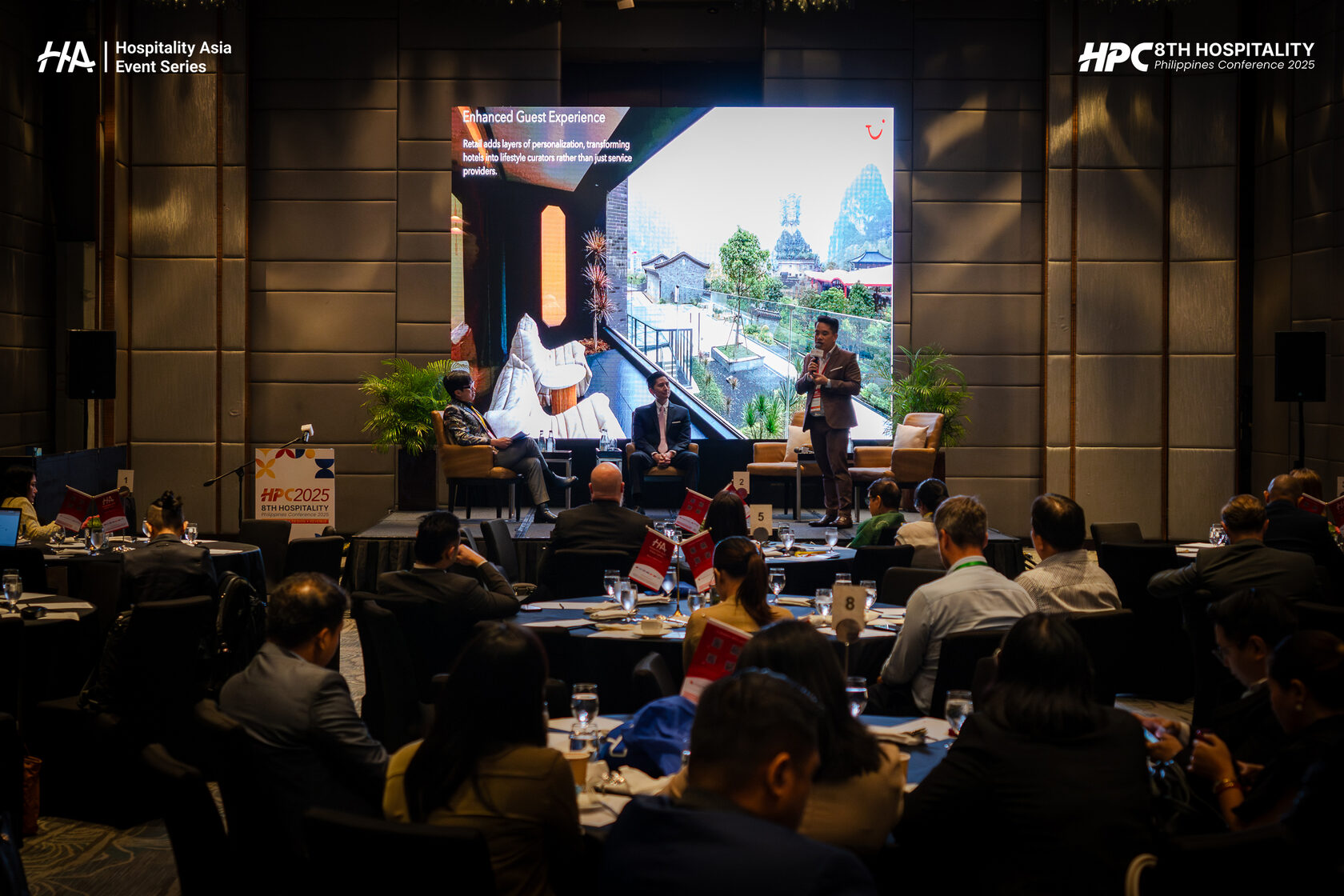
Virochpoka added that to elevate the ultimate luxury hotel experience, developers and operators must not overlook retail design as a critical component.
“So it’s safe to say retail has become an integral part of our way of life. In cities like Manila and Bangkok, retail is everywhere, shaping how we live and engage. And today, emerging trends in retail are increasingly influencing the future of hospitality,” he said.
The Hotel Design Summit Philippines highlighted that the country’s hospitality future will be defined by a deeper embrace of Filipino identity, wellness-driven spaces, and sustainable practices that respect both nature and community.
Beyond visual appeal, hotels and resorts are now expected to serve as sanctuaries, cultural storytellers, and destinations that reflect how modern travelers seek meaning, balance, and connection.
Looking Ahead
Building on the insights from this year’s discussions, the Hotel Design Summit Philippines #HDSP will return at the 9th Hospitality Philippines Conference #HPC2026, taking place on September 9–10, 2026, in Manila.
As a key pillar of the Hospitality Philippines Conference, the next edition of #HDSP will continue to explore how tourism, infrastructure, and private sector collaboration can unlock new opportunities for hotel investment and long-term growth in the Philippines.
Breaking new ground, 2026 will also mark the launch of the Travel Byte Summit Philippines—a dedicated program spotlighting travel technology across land, air, and sea. This new addition reflects Hospitality Asia’s commitment to advancing innovation and accelerating digital transformation within the wider tourism and hospitality ecosystem.
Stay tuned.
Learn more at: www.hospitality-philippines.com
For inquiries, please contact: delegate@hospitality-asia.com
At the Hotel Design Summit Philippines #HDSP, speakers underscored the importance of soulful design and cultural wellness in redefining the future of hospitality. They noted that the era of “Bali-inspired” resorts is waning, giving way to a stronger movement toward Filipino wellness, which has become a powerful driver in the country’s hospitality industry.
Wellness in Design
The conversation on hotel and resort design in the Philippines is increasingly focused on creating spaces that reflect authenticity and well-being. Panelists stressed that wellness is no longer just a lifestyle trend but a core expectation, particularly among today’s luxury travelers.
“When we talk about soulful destinations, we’re talking about connection. We’re talking about total well-being, because in a world that is chaotic, everybody needs a sanctuary,” said Catherine Turvill, President of Nurture Wellness Village in Tagaytay. “That’s why soulful design is so important—it allows you to escape and find yourself amidst nature.”
Speakers also noted that guests now look for experiences that go beyond relaxation, seeking healing and a deeper sense of balance. “They look for healing. They look for wellness. Wellness is in hyperdrive right now,” Turvill explained. “Everybody wants to understand what wellness means. COVID was a big problem, but also a big plus for us, because it made people ask ‘How can I become better?’.”
This perspective aligns with a wider global concern. With the World Health Organization identifying mental health as a pressing issue, wellness-driven design is seen as an urgent opportunity for hospitality developers and operators.
“It’s about time we design spaces that allow people to become healthier, more productive, and more connected,” Turvill emphasized. “And that is what soulful design is all about.”
Designing experiences
In addition to healing, Toon Virochpoka, Co-CEO of Design 103 International, emphasized that healing, socializing, and entertainment are the three fundamental experiences luxury hotel guests seek.
“When it comes to healing, nothing beats nature and sustainability-driven design. This is non-negotiable when it comes to supporting full self-development,” Virochpoka said. “The next one is socializing. Humans are social beings—that’s why we create spaces for guests to talk, mingle, and build connections. Many of us draw energy and inspiration simply by being around others. And finally, entertainment—the joy of being awed, delighted, and inspired is something every guest looks forward to.”
He emphasized the importance of incorporating nighttime activities and entertainment venues within hospitality developments. He highlighted concepts such as beach clubs designed with a mix of outdoor, semi-outdoor, and indoor spaces, as well as contemporary house-style hotels catering to guests seeking more vibrant and playful experiences.
Virochpoka added that to elevate the ultimate luxury hotel experience, developers and operators must not overlook retail design as a critical component.
“So it’s safe to say retail has become an integral part of our way of life. In cities like Manila and Bangkok, retail is everywhere, shaping how we live and engage. And today, emerging trends in retail are increasingly influencing the future of hospitality,” he said.
The Hotel Design Summit Philippines highlighted that the country’s hospitality future will be defined by a deeper embrace of Filipino identity, wellness-driven spaces, and sustainable practices that respect both nature and community.
Beyond visual appeal, hotels and resorts are now expected to serve as sanctuaries, cultural storytellers, and destinations that reflect how modern travelers seek meaning, balance, and connection.
Looking Ahead
Building on the insights from this year’s discussions, the Hotel Design Summit Philippines #HDSP will return at the 9th Hospitality Philippines Conference #HPC2026, taking place on September 9–10, 2026, in Manila.
As a key pillar of the Hospitality Philippines Conference, the next edition of #HDSP will continue to explore how tourism, infrastructure, and private sector collaboration can unlock new opportunities for hotel investment and long-term growth in the Philippines.
Breaking new ground, 2026 will also mark the launch of the Travel Byte Summit Philippines—a dedicated program spotlighting travel technology across land, air, and sea. This new addition reflects Hospitality Asia’s commitment to advancing innovation and accelerating digital transformation within the wider tourism and hospitality ecosystem.
Stay tuned.
Learn more at: www.hospitality-philippines.com
For inquiries, please contact: delegate@hospitality-asia.com