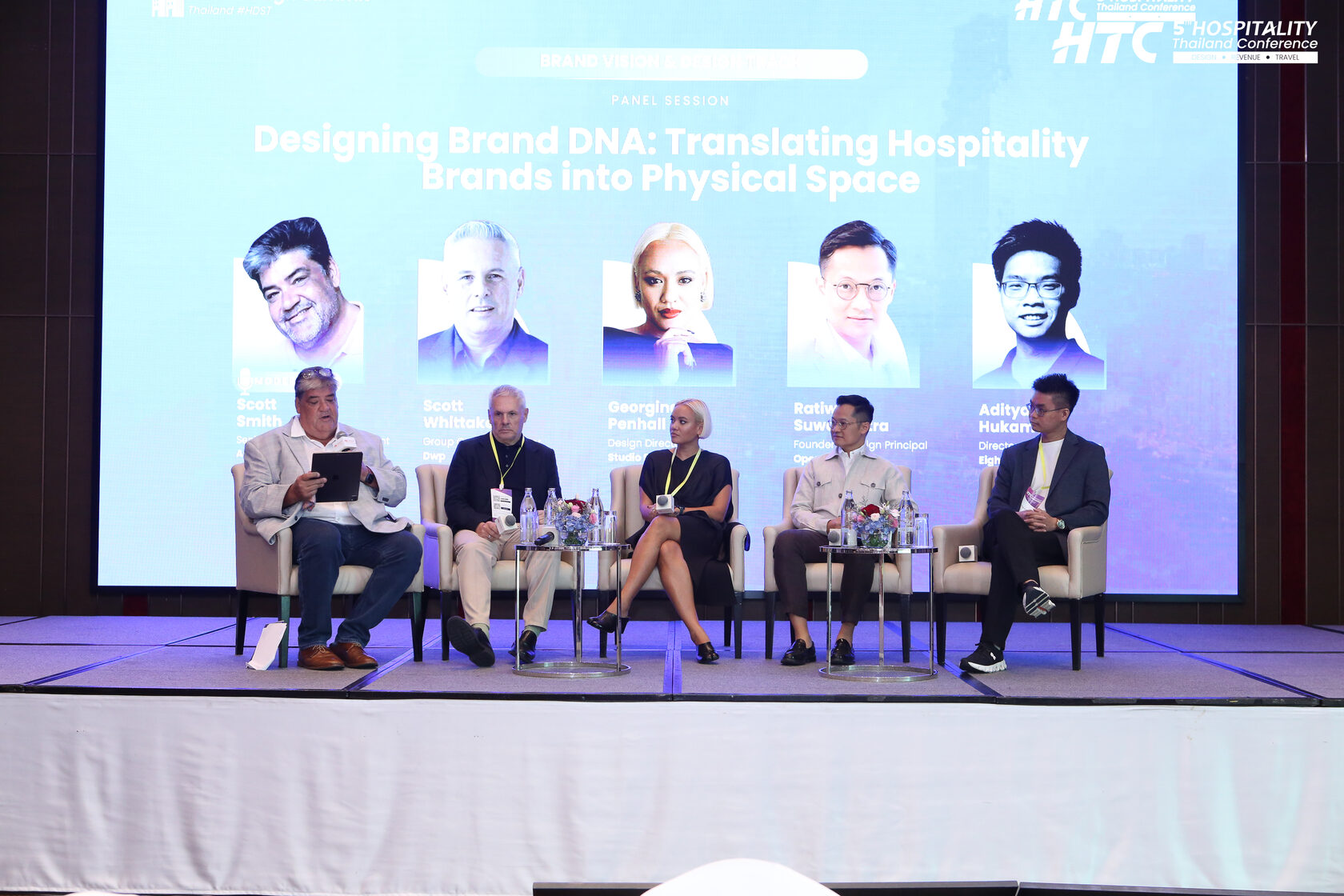
BANGKOK, THAILAND – The Hotel Design Summit Thailand (#HDST) officially concluded its high-impact run at the Eastin Grand Hotel Sathorn Bangkok, serving as a key anchor of the 5th Hospitality Thailand Conference (HTC2026). Gathering the region’s premier architects, interior designers, developers, and hospitality innovators, the summit moved past superficial aesthetics to address how space now drives brand meaning, operational value, and asset resilience in an experience-driven market. Across an intensive agenda, delegates analyzed the convergence of structural identity, technological integration, and climate pressure, mapping out a future where Thailand’s hospitality scene demands a shift from curated images to deeply lived, contextually rich guest experiences.
Summit Highlights & Panel Insights
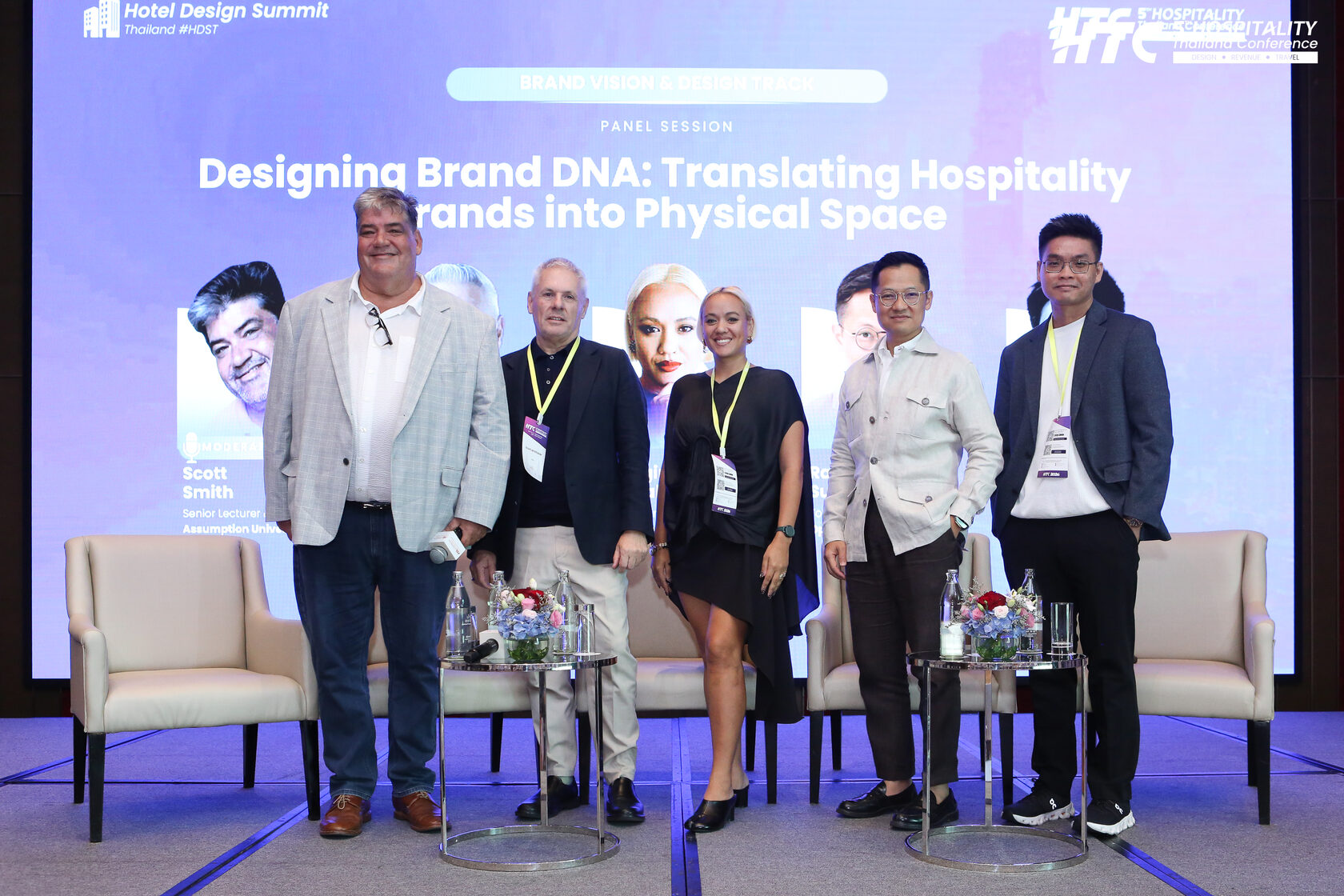
Designing Brand DNA: Translating Hospitality Brands into Physical Space led by industry experts Scott Smith (Assumption University), Scott Whittaker (dwp), Georgina Penhall (Studio Savanh), Ratiwat Suwannatrai (Openbox Architects), and Aditya Hukama (Eight Inc. Design Singapore Pte Ltd), this session explored how to translate conceptual brand identities into physical architecture, interiors, and guest touchpoints.
The panel balanced the tension between maintaining global brand consistency and embedding local character, while evaluating how AI, sustainability, and evolving traveler behaviors reshape resort and destination spaces.
The panel balanced the tension between maintaining global brand consistency and embedding local character, while evaluating how AI, sustainability, and evolving traveler behaviors reshape resort and destination spaces.
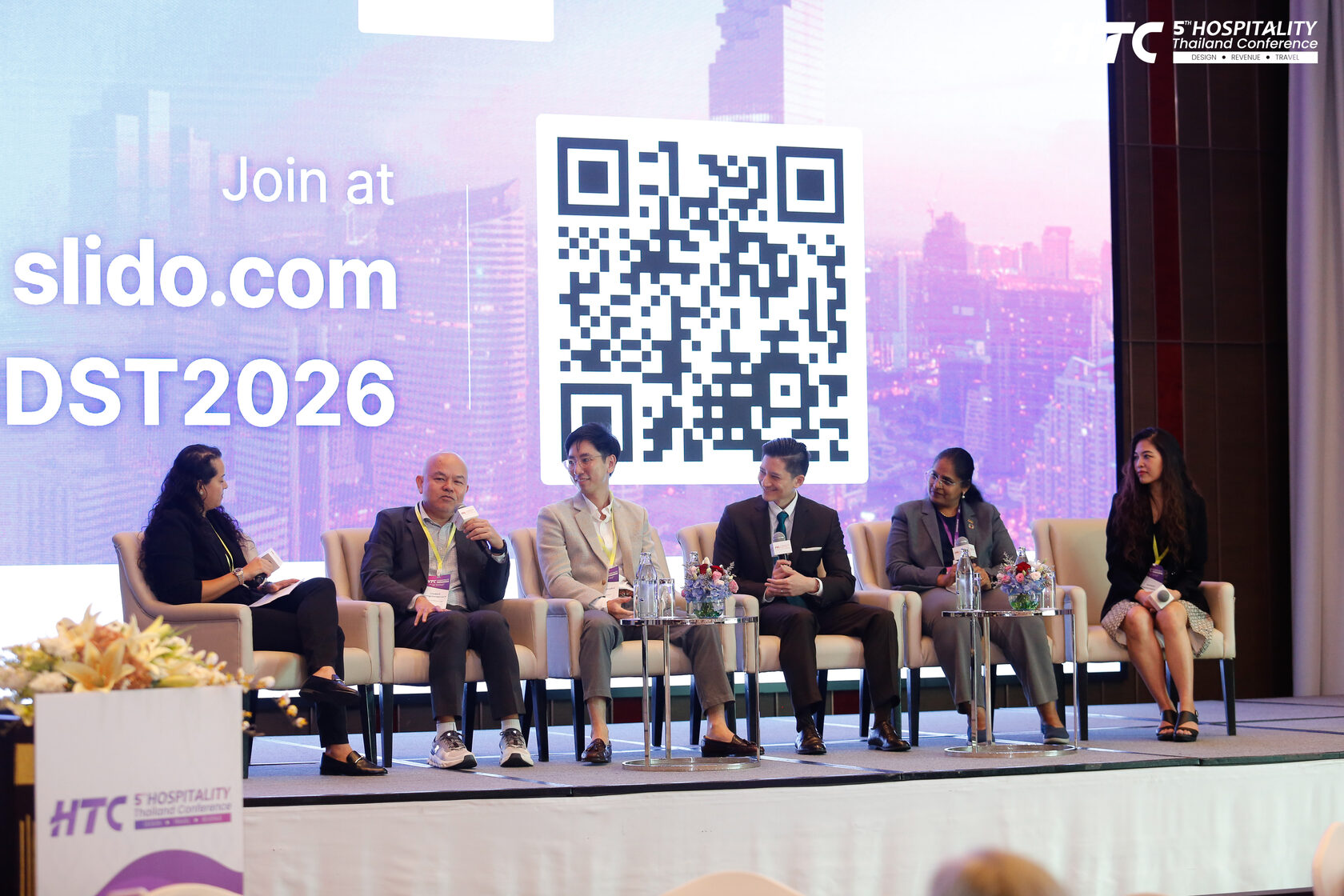
Net-Zero & Carbon-Conscious Hotel Design featuring insights from Lydia Tiasiri (Fenn Designers), Varat Limwibul (PAVA architects), Chakkrit Luangcharoenrat Ph.D. (Gensler), Sireesha Bantu (Asian Institute of Technology), Jerawan Srepetchdanond (Intrinsics), and Toon Virochpoka (Design 103 International Limited), this panel addressed the industry shift away from baseline "green aesthetics" toward legally compliant ESG goals, measurable carbon reduction, and long-term asset valuations.
The discussion made it clear that sustainability is moving from an optional marketing badge to a core operational mandate, meaning that future-proofing assets requires moving past basic checklists and diving deep into functional, data-backed architecture that protects the bottom line.
The discussion made it clear that sustainability is moving from an optional marketing badge to a core operational mandate, meaning that future-proofing assets requires moving past basic checklists and diving deep into functional, data-backed architecture that protects the bottom line.
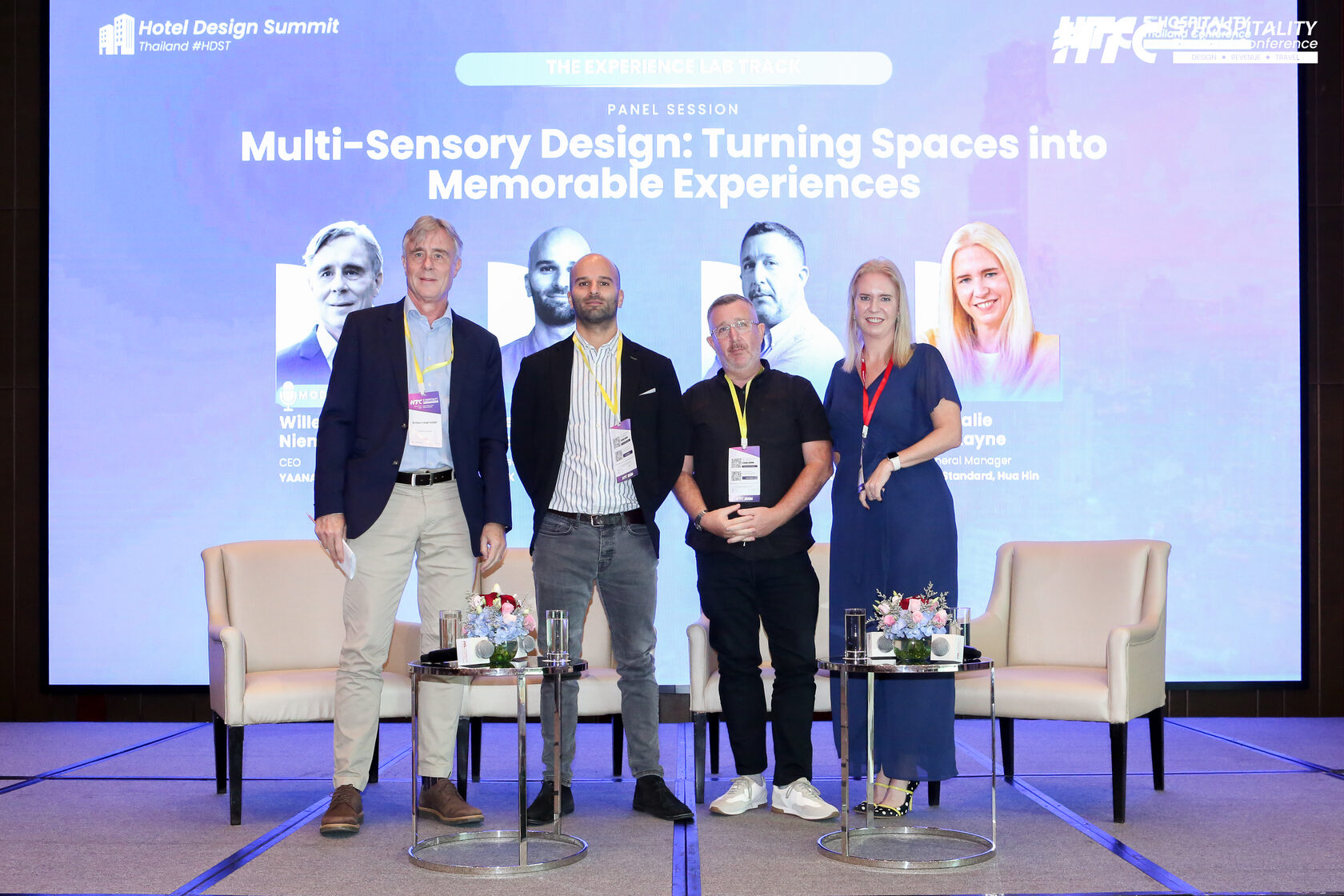
Multi-Sensory Design: Turning Spaces into Memorable Experiences. Willem Niemeijer (YAANA Ventures), Neekzad Dashti (HOK International), Nathalie Cockayne (The Standard, Hua Hin), and Spencer Baxter (-INFUSION+) took the stage to explore how today's most successful hospitality spaces go beyond visual-first design to intentionally engage sight, sound, scent, texture, and service atmosphere.
The panel broke down how synchronized sensory touchpoints trigger positive consumer emotions, alter guest behaviors, and strengthen long-term brand loyalty. The panelists concluded that while beautiful interiors capture immediate attention, cohesive multi-sensory design captures memory; when a hotel harmonizes invisible elements like lighting curves, soundscapes, and scents, it shifts a guest stay from a transactional accommodation to an unforgettable emotional experience.
The panel broke down how synchronized sensory touchpoints trigger positive consumer emotions, alter guest behaviors, and strengthen long-term brand loyalty. The panelists concluded that while beautiful interiors capture immediate attention, cohesive multi-sensory design captures memory; when a hotel harmonizes invisible elements like lighting curves, soundscapes, and scents, it shifts a guest stay from a transactional accommodation to an unforgettable emotional experience.
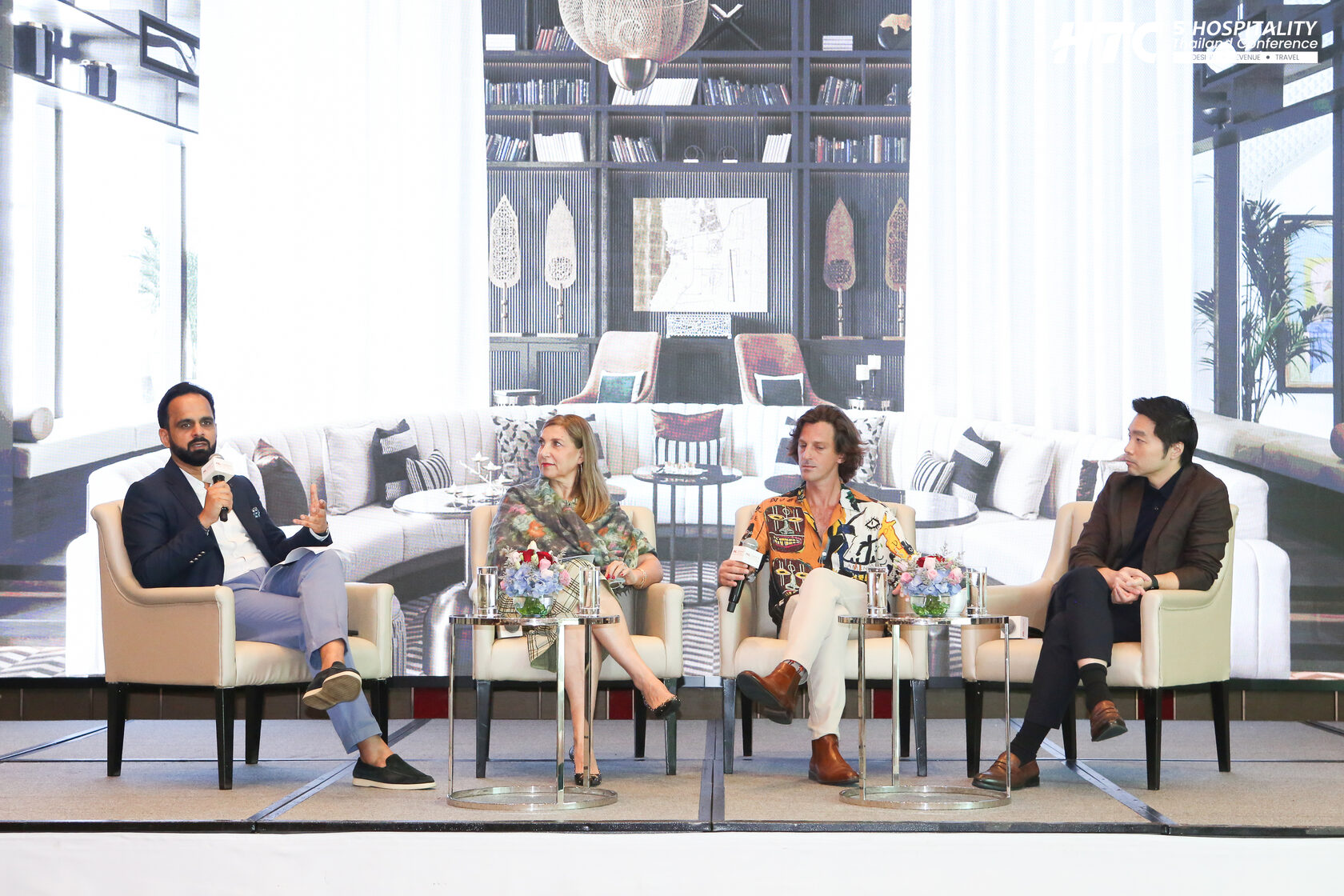
Story-Led Design for Destination Hotels Panelists Shazad Azam (International Design Associates), Neekzad Dashti (HOK International), Thomas Meier (HBA), Isabelle Miaja (Miaja Design Group Pte Ltd), and Sorakit Kitcharoenroj (Integrated Field Company Limited) examined the strategic use of structured narratives, historical culture, and deliberate placemaking to transform physical hotels into standalone travel destinations.
"In this session, we fundamentally discuss design stories and exactly how to deliver them seamlessly into reality," noted Shazad Azam, Founder of International Design Associates.
"In this session, we fundamentally discuss design stories and exactly how to deliver them seamlessly into reality," noted Shazad Azam, Founder of International Design Associates.
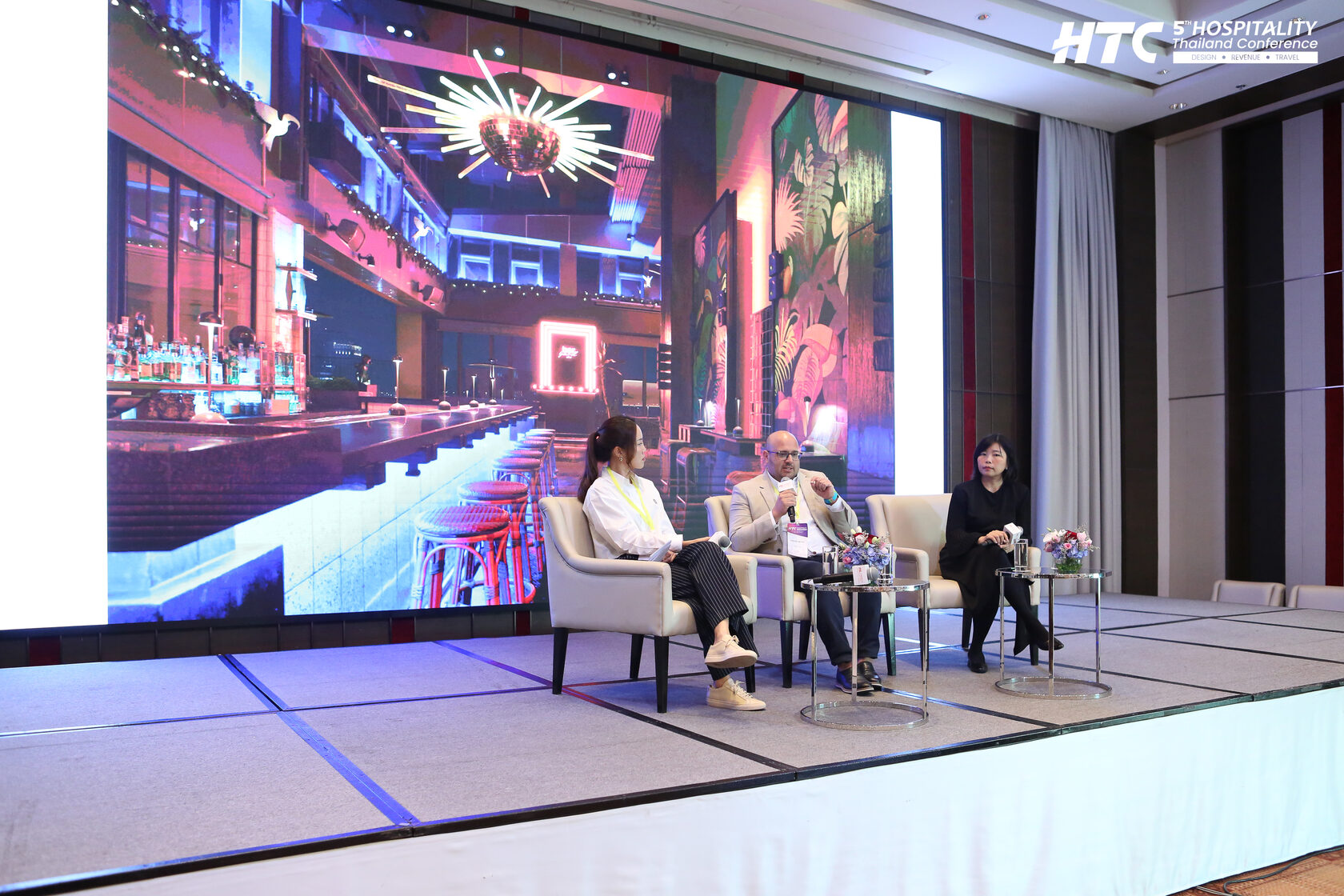
Narrative Interiors: Translating Brand and Culture into Guest-Centric Spaces. A focused discussion featuring Patricia Ho Douven (White Jacket), Kulthida Songkittipakdee (HAS design and research), and Antonio Aguilar (Chapman Taylor) assessed how thoughtfully structured interior design elements enhance guest interaction, maximize emotional engagement, and justify premium property positioning.
The panel highlighted that interior design serves as the direct vocabulary of hospitality. When interiors act as a narrative bridge between regional history and modern comfort, properties unlock a distinct psychological premium that builds unrivaled customer retention and strengthens brand loyalty.
The panel highlighted that interior design serves as the direct vocabulary of hospitality. When interiors act as a narrative bridge between regional history and modern comfort, properties unlock a distinct psychological premium that builds unrivaled customer retention and strengthens brand loyalty.
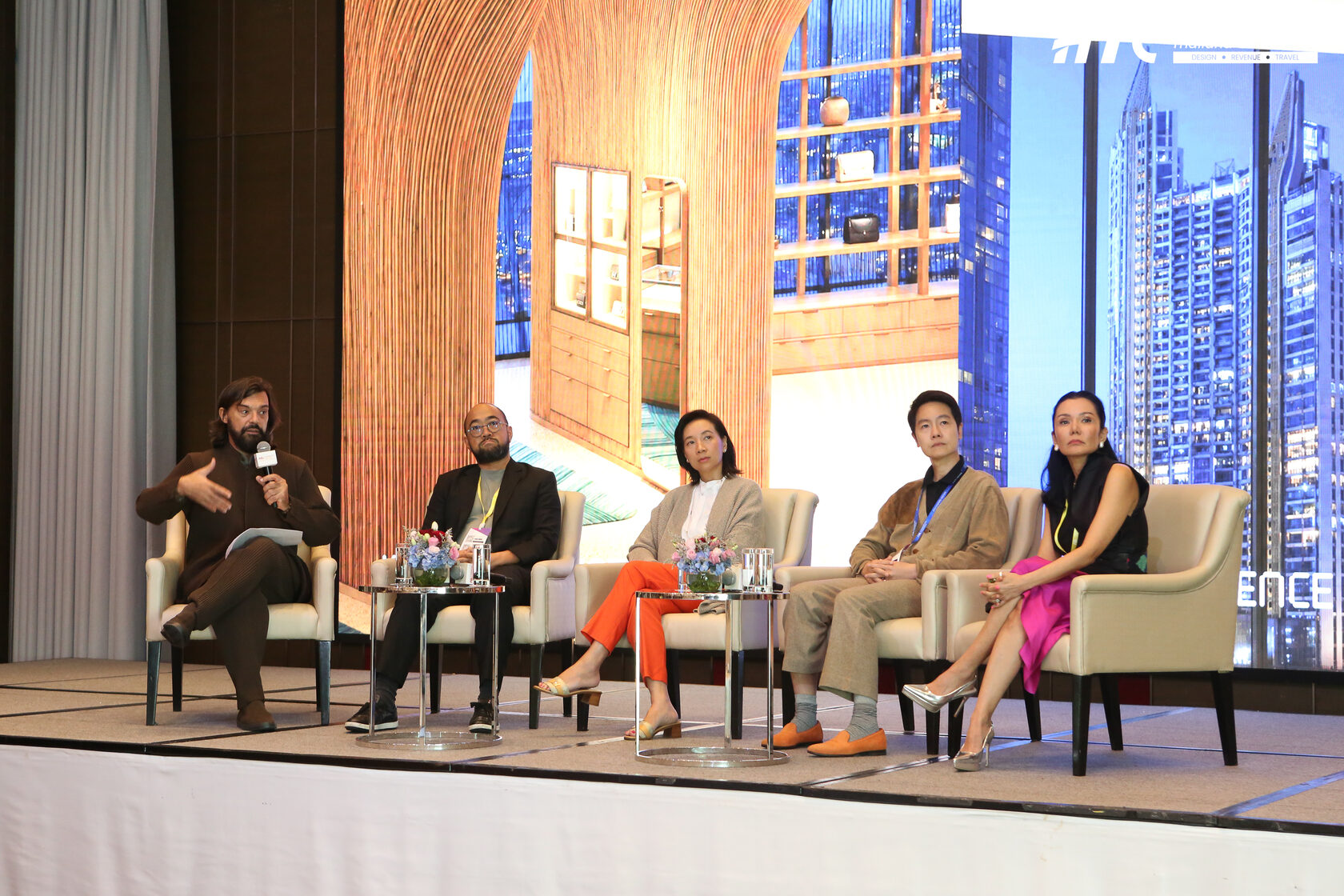
Designing with Thai Craft & Cultural Narrative bringing together Patrick Keane (Enter Projects Asia), Nitis Sthapitanonda (A49), Sarinrath Kamolratanapiboon (dwp), Piti Thitipannakul (S Hotels and Resorts Public Company Limited), and Mook Vinyaratn (Beyond Living Co., Ltd), this session analyzed the structural and aesthetic integration of traditional Thai craftsmanship, regional materials, and cultural symbolism into contemporary hotel environments.
The experts agreed that incorporating heritage craft is not about creating a static museum space, but about driving modern relevance. Testing and successfully scaling native Thai design elements within modern architectural frameworks gives properties a highly defensible, un-replicable authentic identity that resonates with the modern traveler.
The experts agreed that incorporating heritage craft is not about creating a static museum space, but about driving modern relevance. Testing and successfully scaling native Thai design elements within modern architectural frameworks gives properties a highly defensible, un-replicable authentic identity that resonates with the modern traveler.
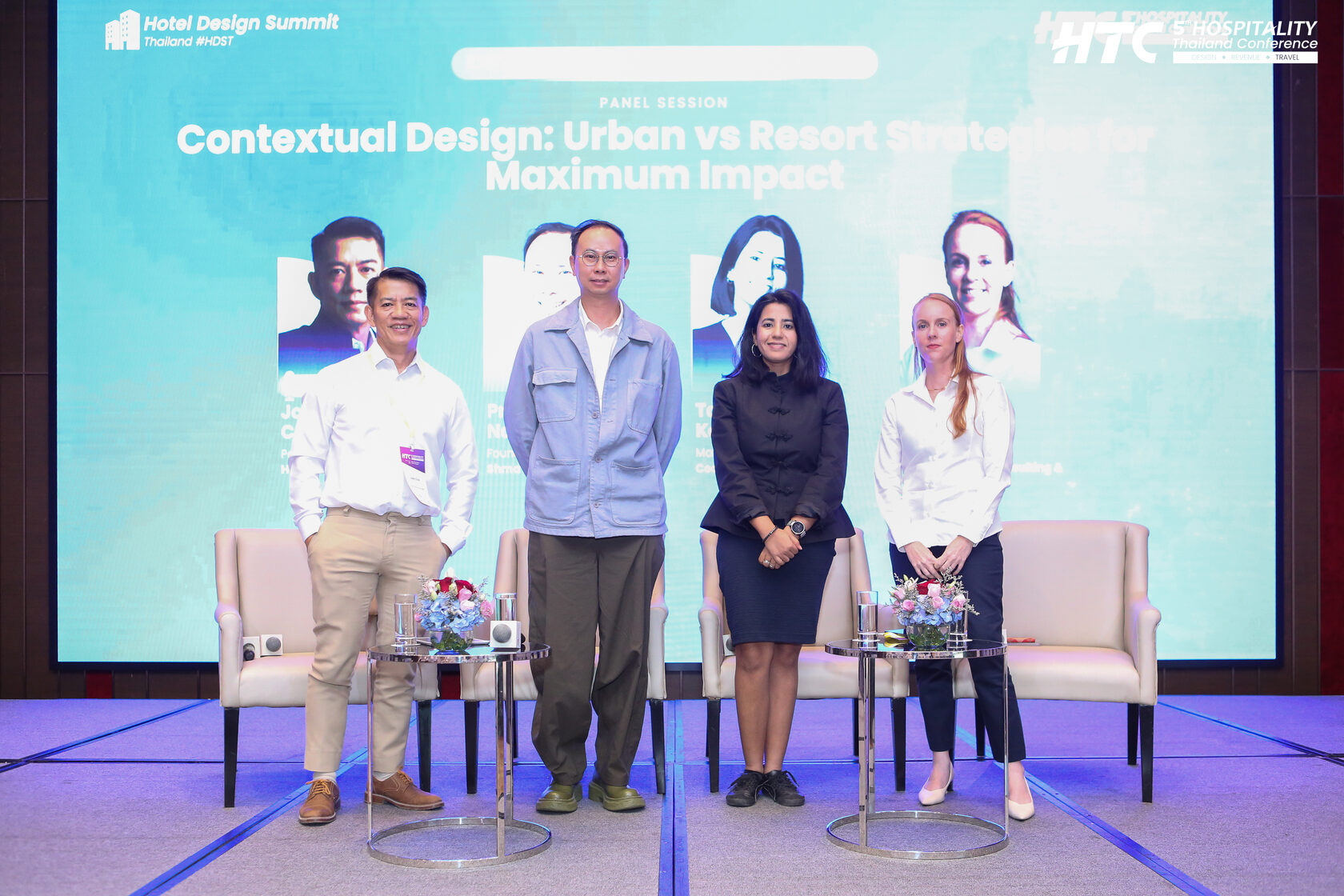
Contextual Design: Urban vs Resort Strategies for Maximum Impact speakers Joey Cruz (Hirsch Bedner Associates), Prapan Napawongdee (Shma Company Limited), Tania Kaushal (Coopers Hill), and Armelle Le Bihan (Green Building Consulting & Engineering) debated how to adapt exterior building forms and landscape aesthetics to contrast urban environments against leisure resort settings, all while protecting global brand standards and regional competitiveness.
"We are looking directly into how sustainability integrates into these environments and what the future holds—specifically whether it requires compromises and how it shifts between urban and resort landscapes. The goal is to move far beyond basic statistics to talk about true functionality and the future-proofing of hotels," shared Armelle Le Bihan, Founder & CEO of Green Building Consulting & Engineering.
"We are looking directly into how sustainability integrates into these environments and what the future holds—specifically whether it requires compromises and how it shifts between urban and resort landscapes. The goal is to move far beyond basic statistics to talk about true functionality and the future-proofing of hotels," shared Armelle Le Bihan, Founder & CEO of Green Building Consulting & Engineering.
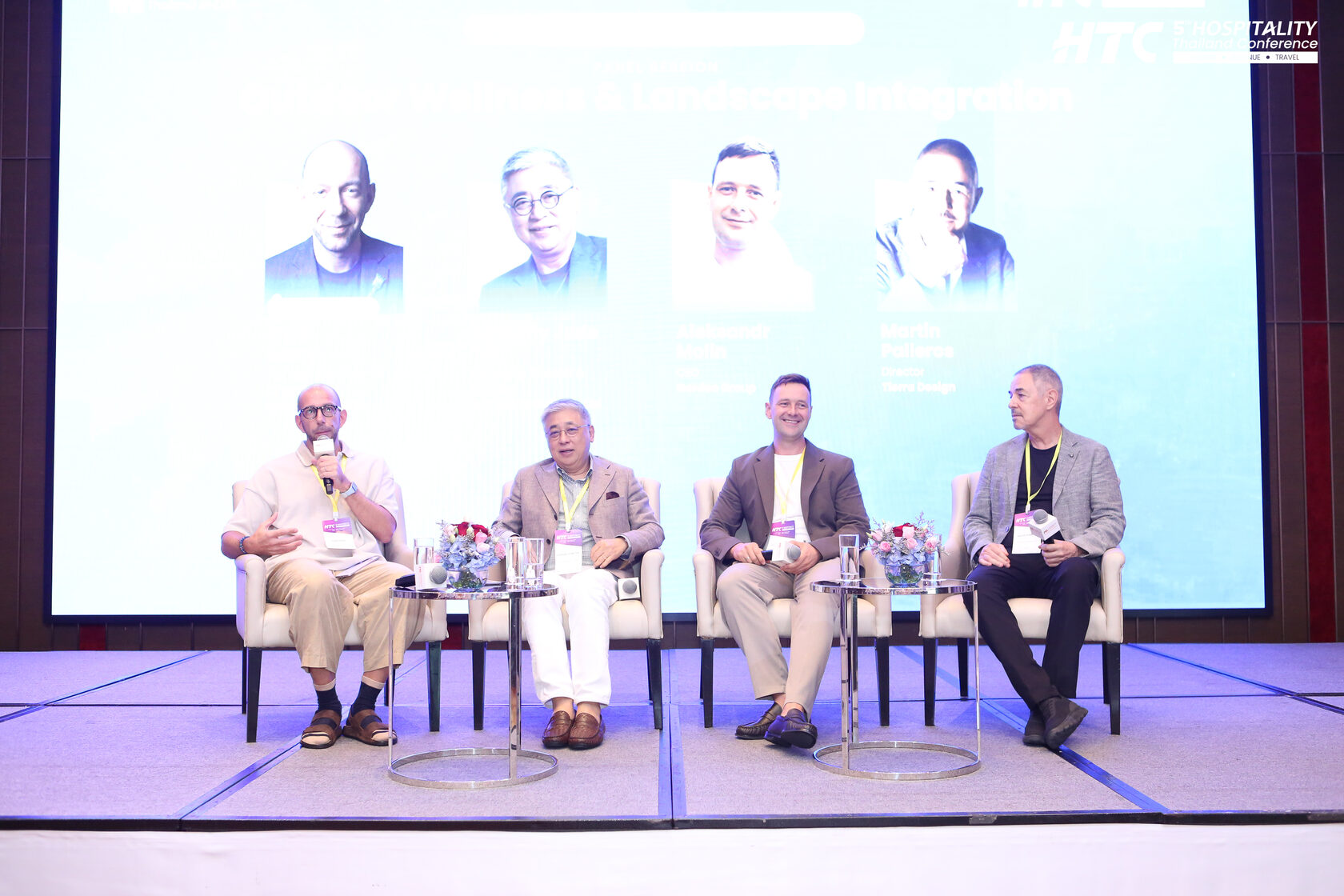
Outdoor Wellness & Landscape Integration The final panel track, featuring Cyril Lamy (ScenoLight Atelier), Anthony Jude Tan (AJT Wellity Asia Co. Ltd), Aleksandr Molin (Garden Group), and Martin Palleros (Tierra Design (Thailand) Ltd), focused on integrating outdoor landscapes, lighting, and natural typography with holistic biophilic wellness philosophies to form seamless indoor-outdoor guest experiences.
The experts emphasized that landscaping is no longer a peripheral boundary or an afterthought, but a core health asset. Properties that blend outdoor wellness design natively with their physical architecture capture the growing demographic of health-conscious travelers who view nature as an essential luxury component.
Stay connected with us on social media for updates on our ongoing 2026 program, speaker lineup, and partnership opportunities.
For more information, visit: https://hospitality-thailand.com/
Contact: delegate@hospitality-asia.com
The experts emphasized that landscaping is no longer a peripheral boundary or an afterthought, but a core health asset. Properties that blend outdoor wellness design natively with their physical architecture capture the growing demographic of health-conscious travelers who view nature as an essential luxury component.
Stay connected with us on social media for updates on our ongoing 2026 program, speaker lineup, and partnership opportunities.
For more information, visit: https://hospitality-thailand.com/
Contact: delegate@hospitality-asia.com
About Hospitality Asia
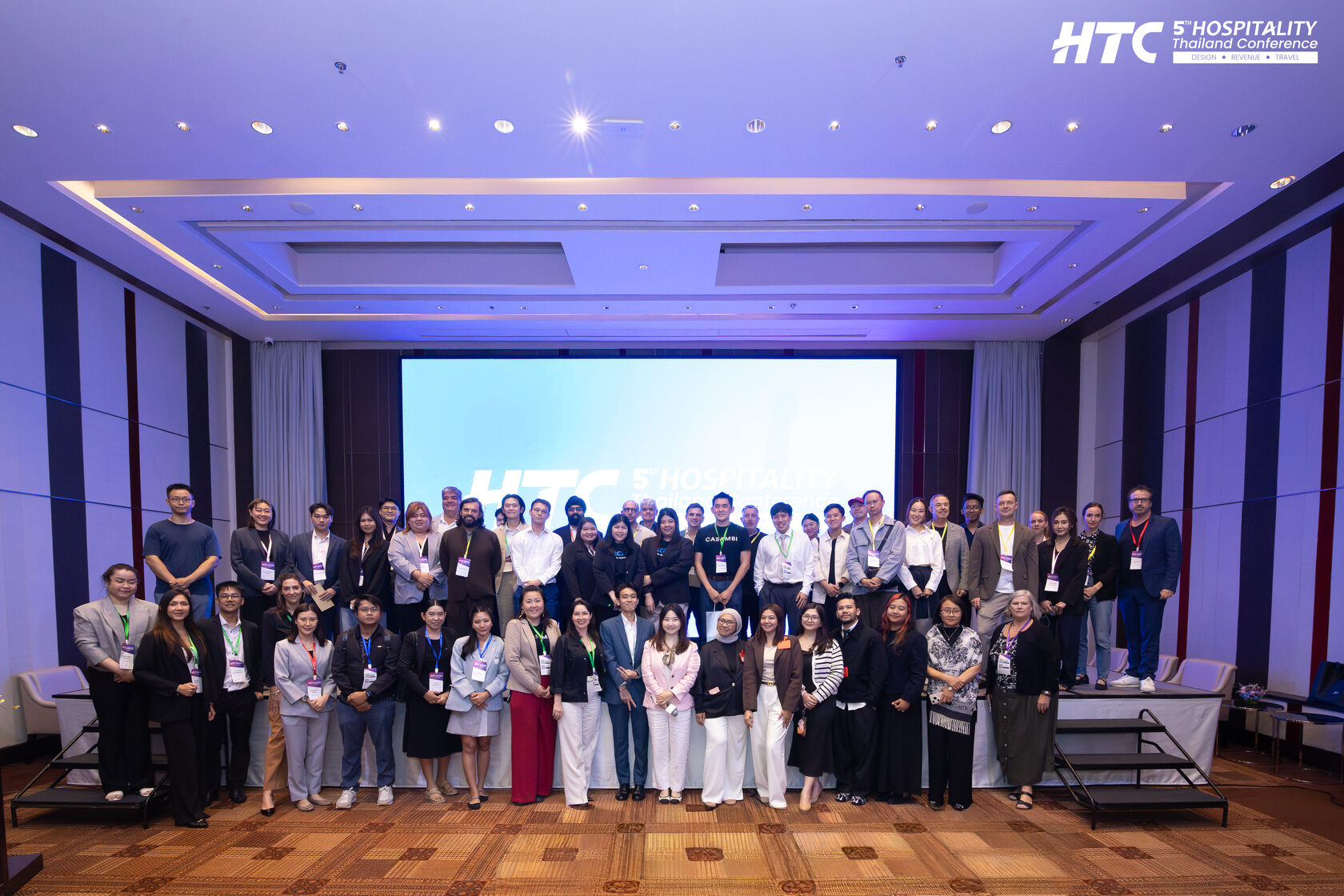
The Hospitality Asia Event Series is a leading platform for senior leaders across the region’s hospitality and tourism sectors. It is known for bringing together key decision-makers and industry innovators while creating strong opportunities for networking, knowledge exchange, and strategic collaboration.
The series features seven flagship events across Asia, including the Hospitality Indonesia Conference (HIC), the Hospitality Vietnam Conference (HVC), the Hospitality Thailand Conference (HTC), the Hospitality South Korea Conference (HSKC), the Hospitality Malaysia Conference (HMC), the Hospitality Philippines Conference (HPC) and the Hospitality Japan Conference (HJC). These events attract a high-level and diverse audience from across the region.
Hospitality Asia is distinguished by its balanced engagement of both C-level executives and senior professionals such as Vice Presidents, General Managers and Directors who manage contracts, negotiations and daily operations. Supported by regional advisors who provide real-time market insights, the content focuses on practical strategies that enable participants to drive business growth.
The series is guided by four summits that represent the main drivers of industry success. These include the Hotel Investment Summit Asia #HISA, the Hotel Design Summit Asia #HDSA, the Hotel Revenue Summit Asia #HRSA and the Travel Byte Summit Asia #TBSA. Each summit is delivered with a localized approach to ensure relevance and meaningful engagement with the region’s most important opportunities.
To learn more about Hospitality Asia, please visit our website at www.hospitality-asia.com.
The series features seven flagship events across Asia, including the Hospitality Indonesia Conference (HIC), the Hospitality Vietnam Conference (HVC), the Hospitality Thailand Conference (HTC), the Hospitality South Korea Conference (HSKC), the Hospitality Malaysia Conference (HMC), the Hospitality Philippines Conference (HPC) and the Hospitality Japan Conference (HJC). These events attract a high-level and diverse audience from across the region.
Hospitality Asia is distinguished by its balanced engagement of both C-level executives and senior professionals such as Vice Presidents, General Managers and Directors who manage contracts, negotiations and daily operations. Supported by regional advisors who provide real-time market insights, the content focuses on practical strategies that enable participants to drive business growth.
The series is guided by four summits that represent the main drivers of industry success. These include the Hotel Investment Summit Asia #HISA, the Hotel Design Summit Asia #HDSA, the Hotel Revenue Summit Asia #HRSA and the Travel Byte Summit Asia #TBSA. Each summit is delivered with a localized approach to ensure relevance and meaningful engagement with the region’s most important opportunities.
To learn more about Hospitality Asia, please visit our website at www.hospitality-asia.com.